
Sowing Success with Smarter Sensors
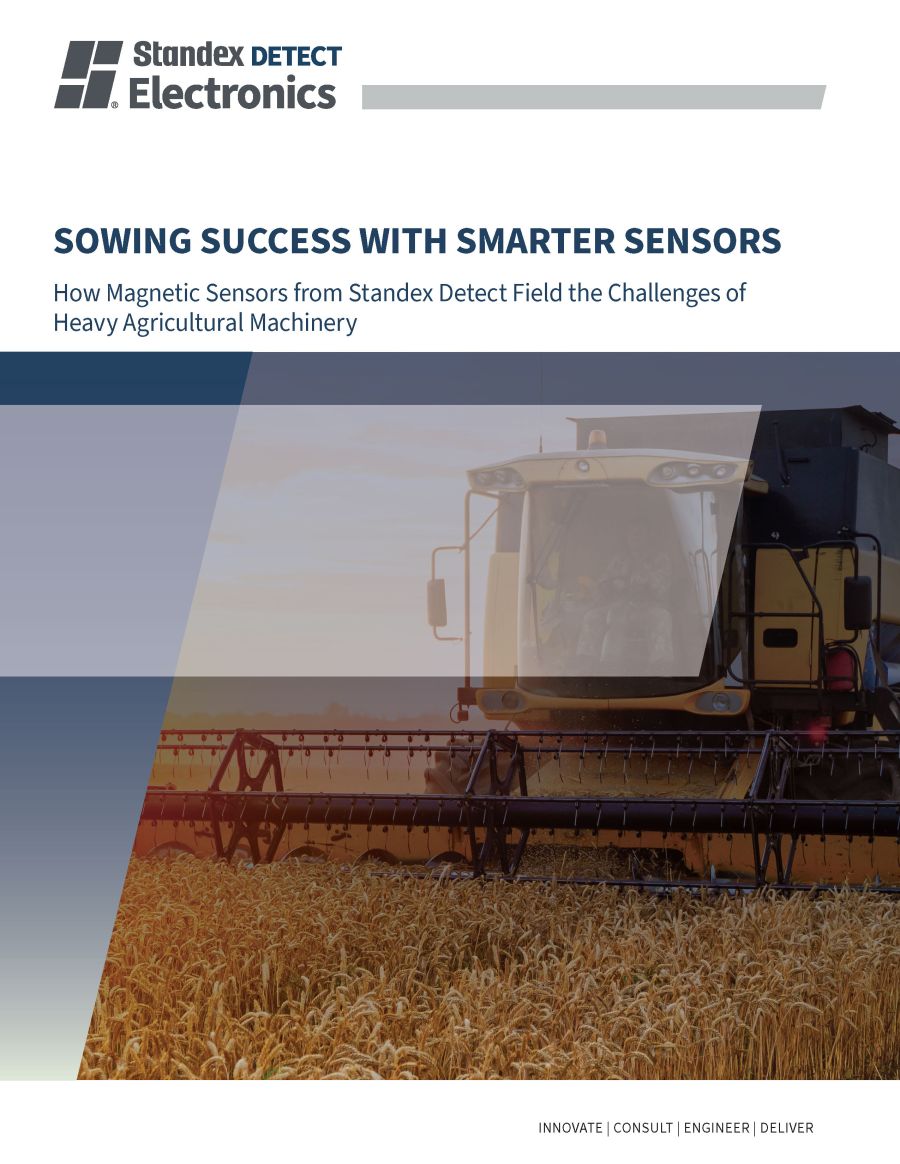
Smart agriculture will drastically increase the efficiency and output of modern farms, which is why the industry is rapidly getting on board – analysts at Grandview Research predict 13.4% growth in intelligent farming by 2030.
With the adoption of smart agriculture comes the need for more sensors, as equipment tracks rotational speeds, measures fertiliser flow rates, calculates crop yield, and much more. Engineers and product designers will need to source sensors that can meet the demands of heavy machinery.
In Sowing Success with Smarter Sensors, we examine what makes Reed and Hall effect sensors up to the task, focusing on the braking challenges of a top agricultural equipment manufacturer.
This case study covers:
- How the Right Sensor Design Fixed a Critical Tractor Braking Issue
- How Reed and Hall Sensors Work
- Where Manufacturers of Heavy Farming Equipment Use Sensors
- Benefits and Capabilities of Reed and Hall Effect Sensors
- Customised Sensor Configurations